
Maintaining mental well-being while juggling professional demands and personal responsibilities feels overwhelming. Busy professionals and students struggle to find strategies that fit their packed schedules while delivering real results. The challenge isn't just finding effective approaches, it's sustaining them without reliable accountability. This article presents evidence-backed mental well-being strategies evaluated against clear criteria, compares their effectiveness, and explores how AI-assisted coaching creates personalized support that adapts to your lifestyle and keeps you consistently engaged.
Table of Contents
- Key takeaways
- How to evaluate mental well-being strategies effectively
- Mindfulness and combined exercise interventions: a powerful duo
- Lifestyle factors and time management for mental health
- Harnessing AI-driven personalized coaching for accountability and success
- Comparing mental well-being strategies: which fits your needs?
- Explore personalized mental well-being support with Coach Call AI
- FAQ
Key Takeaways
| Point | Details |
|---|---|
| Mindfulness plus exercise | Mindfulness practices reduce stress and enhance resilience, with greater overall wellbeing when practiced together in a busy schedule. |
| AI assisted coaching | AI guided coaching improves adherence through personalization and real time adaptation, providing flexible support for professionals with demanding calendars. |
| Micro interventions | Short, time efficient practices such as a 10 minute mindfulness session or a 15 minute walk deliver measurable benefits and support consistent use. |
| Accountability and scheduling | Built in accountability and strategies for time management help sustain motivation and ensure long term mental wellbeing. |
How to evaluate mental well-being strategies effectively
Selecting the right mental well-being approach requires understanding what makes strategies work for busy schedules. Evidence-based methods backed by research offer reliability, while time-efficient interventions fit realistic constraints. Personalization ensures strategies address your specific stressors and goals rather than generic advice. Accountability mechanisms keep you engaged when motivation wanes, making consistency achievable.
Micro-interventions transform mental wellness for packed schedules. These brief, focused practices deliver measurable benefits without requiring hour-long commitments. A 10-minute mindfulness session before meetings or a 15-minute walk between tasks creates cumulative impact. AI-assisted coaching enhances accountability via personalization, real-time adaptation, and non-judgmental support, making it particularly valuable for professionals who need flexible guidance.
When evaluating strategies, prioritize these criteria:
- Scientific evidence supporting effectiveness for your specific concerns
- Time requirements that align with your actual available schedule
- Built-in accountability systems or integration with coaching support
- Cost relative to your budget and expected duration of use
- Personalization capabilities to address your unique circumstances
Pro Tip: Strategies combining lifestyle modifications with coaching support consistently show higher adherence rates because they address both the what and the how of sustainable change. Look for approaches that integrate multiple wellness dimensions rather than isolated techniques. Consider exploring self-improvement strategies with AI to understand how technology amplifies traditional methods.
Mindfulness and combined exercise interventions: a powerful duo
Mindfulness practices reduce stress, improve focus, and build emotional resilience. Regular mindfulness meditation strengthens your ability to observe thoughts without judgment, creating mental space between stimulus and response. This skill proves invaluable during high-pressure work situations or academic deadlines. Research demonstrates that mindfulness reduces academic stress, burnout and improves resilience over 8 weeks, with benefits accumulating through consistent practice.
Combining physical activity with psychological interventions amplifies results beyond either approach alone. Combined exercise-psychological interventions produce larger well-being effects than single interventions, addressing both physiological stress responses and cognitive patterns simultaneously. A morning jog paired with reflective journaling or yoga sessions incorporating breath awareness exemplify this integration.
Practical integration for busy schedules includes:
- Walking meetings where you practice mindful observation of surroundings
- Five-minute breathing exercises between video calls
- Evening stretching routines paired with gratitude reflection
- Weekend hiking with intentional technology breaks
"The synergy between physical movement and mental practices creates a reinforcement loop. Exercise releases endorphins that improve mood, making mindfulness practice more accessible. Meanwhile, mindfulness enhances body awareness during exercise, improving form and preventing injury while deepening the stress-relief benefits."
| Intervention Type | Average Effect Size | Time Investment | Accessibility |
|---|---|---|---|
| Mindfulness alone | 0.45 | 10-20 min/day | High (apps available) |
| Exercise alone | 0.52 | 20-30 min/day | Moderate (equipment optional) |
| Combined approach | 0.73 | 25-35 min/day | High (flexible formats) |
For students and professionals, student mental health coaching programs increasingly incorporate these combined approaches, recognizing that academic and career success depends on holistic well-being rather than isolated skill development.
Lifestyle factors and time management for mental health
Sleep quality, nutrition, and exercise form an interconnected foundation for mental wellness. Poor sleep impairs emotional regulation and decision-making, while inadequate nutrition depletes neurotransmitter precursors essential for mood stability. Regular physical activity improves both sleep architecture and metabolic health. These elements don't operate independently, they create cascading effects that either support or undermine your mental state.
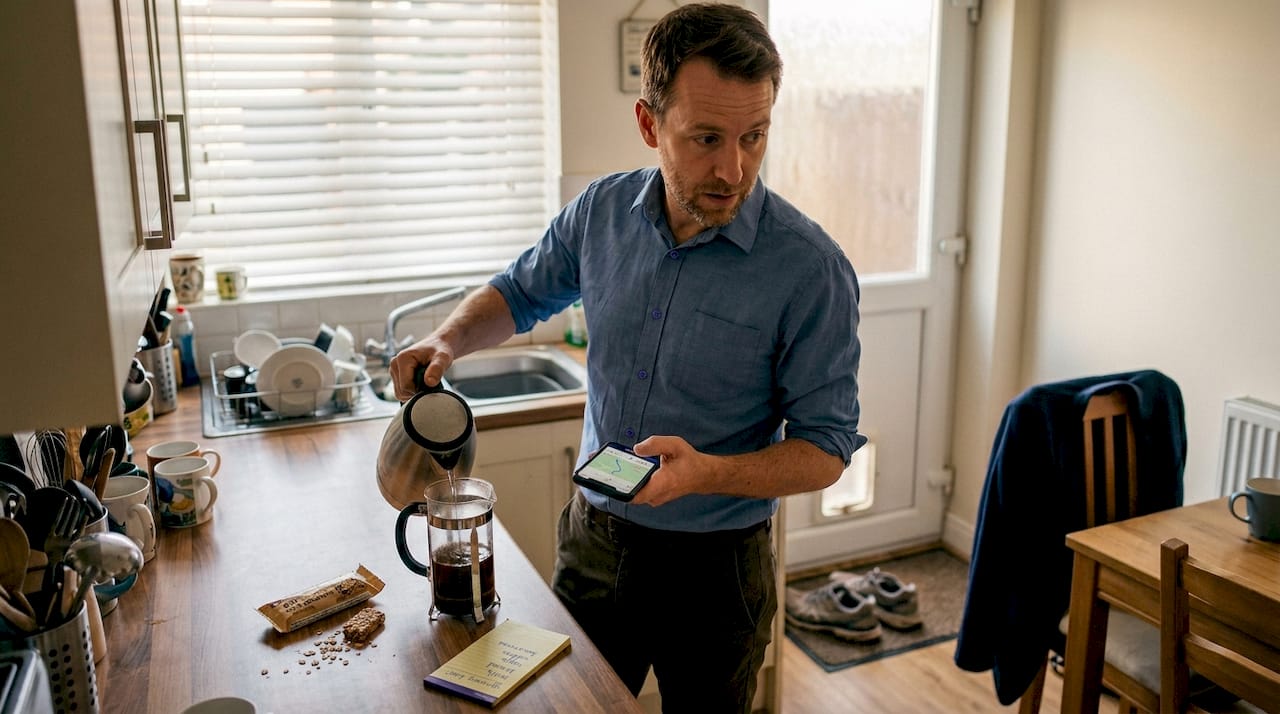
Improving sleep reduces stress and enhances resilience; balanced diet reduces anxiety and depression through mechanisms involving inflammation reduction and gut-brain axis optimization. Strategic interventions in one area often improve others. Better sleep increases motivation for exercise, while improved nutrition enhances sleep quality.
Time management training addresses a root cause of stress for busy individuals. Time management training reduces anxiety, burnout, and improves emotional regulation by creating realistic schedules that prevent chronic overcommitment. Learning to estimate task duration accurately, build buffer time, and prioritize ruthlessly transforms overwhelming schedules into manageable workflows.
Key practices for lifestyle optimization:
- Maintain consistent sleep and wake times, even on weekends, to stabilize circadian rhythms
- Prioritize protein and omega-3 fatty acids at breakfast to support neurotransmitter production
- Schedule exercise as non-negotiable appointments rather than fitting it in when possible
- Use time-blocking to protect focus periods and prevent context-switching fatigue
- Implement a weekly planning session to align daily tasks with larger goals
Pro Tip: Establish your sleep schedule first before optimizing other lifestyle factors. Quality sleep amplifies benefits from nutrition and exercise while making time management strategies easier to implement. Start with a consistent bedtime, then layer additional changes once sleep stabilizes. Explore how to boost accountability with AI personal development tools that track these interconnected habits and provide reminders tailored to your patterns.
Harnessing AI-driven personalized coaching for accountability and success
AI-assisted coaching combines evidence-based strategies with personalized delivery and continuous accountability. Unlike static apps or generic programs, AI systems adapt recommendations based on your responses, progress patterns, and contextual factors. This personalization addresses the reality that no single approach works identically for everyone. Your stressors, schedule constraints, and learning preferences require tailored solutions.
Research shows AI-driven personalized interventions combining exercise and mindfulness reduce stress by 36.7% and increase GPA by 10.28%, demonstrating impact across both wellness and performance metrics. The technology enables frequent touchpoints without the scheduling complexity and cost of human coaching, making support accessible during critical moments rather than only during weekly appointments.
| Feature | AI Coaching | Traditional Therapy | Self-Guided Apps |
|---|---|---|---|
| Stress reduction | 36.7% average | 30-40% range | 15-25% range |
| Adherence rate | 78% at 12 weeks | 45-60% typical | 20-35% typical |
| Academic/work impact | +10.28% GPA | Variable | Minimal direct impact |
| Cost per month | $30-80 | $200-400 | $10-20 |
| Availability | 24/7 on-demand | Scheduled sessions | Self-paced |
Effective AI coaching programs share common characteristics:
- Brief interaction formats (5-15 minutes) that fit between commitments
- Integration of multiple modalities including mindfulness, exercise tracking, and cognitive techniques
- Personalized feedback based on your specific responses and progress data
- Non-judgmental communication that encourages honest reporting
- Proactive check-ins rather than waiting for you to initiate contact
Pro Tip: Choose AI coaching platforms offering voice calls and messaging options rather than text-only interfaces. Voice interaction creates stronger accountability through tone and pacing while accommodating multitasking during commutes or walks. Learn how to track personal development milestones with AI systems that visualize progress across multiple wellness dimensions simultaneously. Discover how AI voice coaching for goal adherence increases commitment through conversational engagement.
Comparing mental well-being strategies: which fits your needs?
Selecting your optimal approach requires matching strategy characteristics to your specific situation. Consider severity of symptoms, schedule flexibility, budget constraints, and personal preferences regarding technology assistance. Mild to moderate stress responds well to self-directed or AI-assisted approaches, while severe symptoms often benefit from professional therapy combined with supportive tools.
| Strategy | Best For | Time Commitment | Monthly Cost | Personalization | Accountability |
|---|---|---|---|---|---|
| Mindfulness apps | Self-motivated individuals with mild stress | 10-20 min/day | $10-15 | Low | Self-directed |
| Combined exercise programs | Active people seeking holistic approach | 30-45 min/day | $50-150 | Moderate | Group or trainer |
| Time management coaching | Overwhelmed professionals with scheduling issues | 2-3 hours/week | $100-300 | High | Coach-dependent |
| AI personalized coaching | Busy individuals needing flexible, consistent support | 15-25 min/day | $30-80 | Very high | Continuous |
| Traditional therapy | Those with clinical symptoms or complex trauma | 1 hour/week | $200-400 | Very high | Weekly |
Decision factors to prioritize:
- Symptom severity determines whether professional clinical support is necessary versus sufficient self-management tools
- Schedule predictability affects whether fixed appointments work or you need on-demand access
- Budget realism ensures sustainable commitment rather than abandoning strategies due to cost
- Technology comfort influences whether AI assistance feels supportive or impersonal
- Learning style preferences (reading, listening, doing) match better with certain delivery formats
Higher success rates come from honest assessment of your constraints rather than aspirational choices. If your schedule genuinely lacks 45-minute blocks, choosing an intensive program sets you up for failure regardless of its effectiveness. Understanding how data drives accountability in AI coaching helps you appreciate how technology adapts to realistic patterns rather than ideal scenarios.
Explore personalized mental well-being support with Coach Call AI
Maintaining mental well-being strategies requires consistent accountability that adapts to your changing schedule and needs. Coach Call AI functions as your personal accountability partner, delivering AI-driven coaching through phone calls and WhatsApp integration. The platform combines evidence-based techniques with personalized check-ins, motivational messages, and progress tracking tailored to your specific wellness goals.
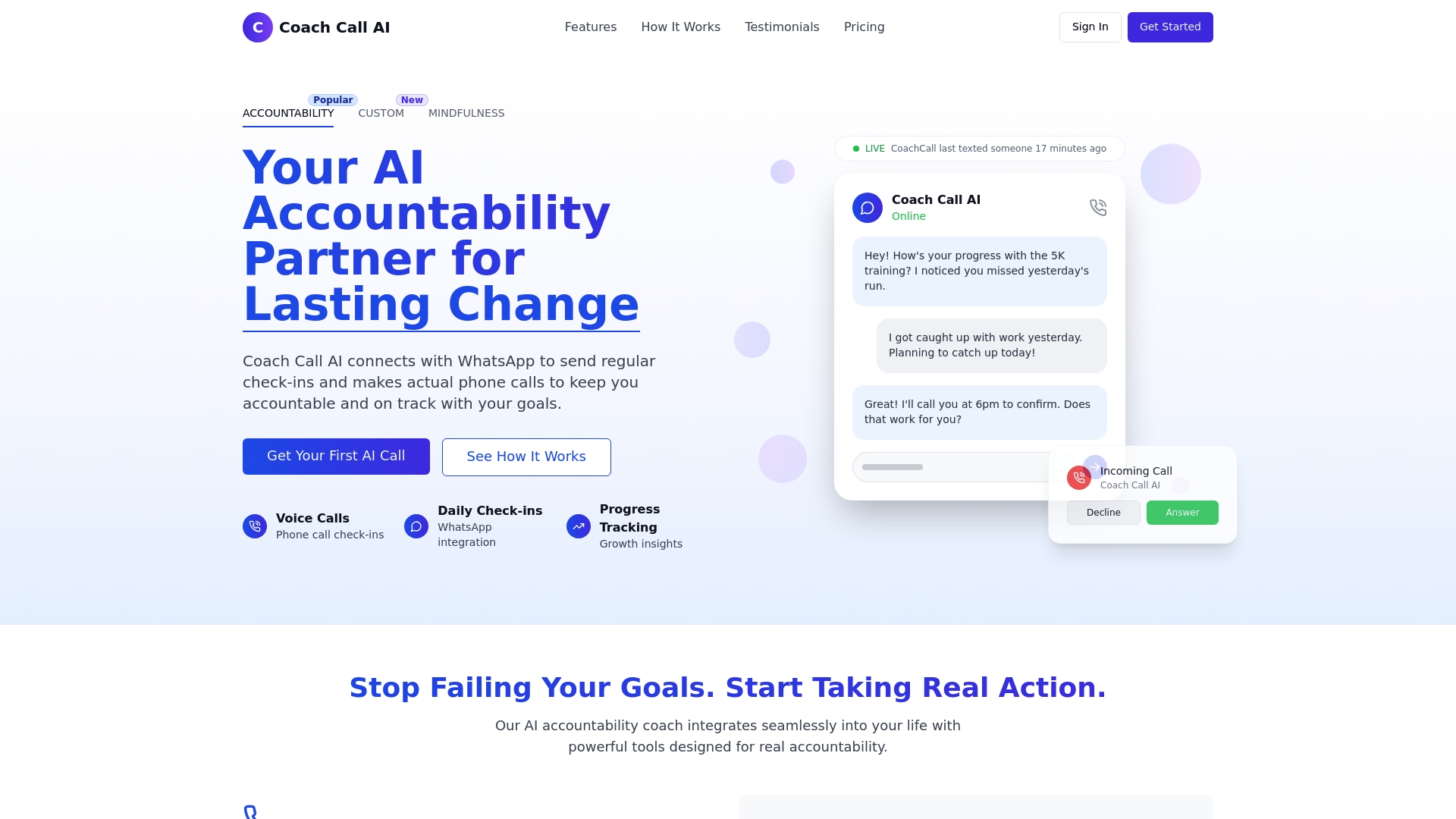
Whether you're implementing mindfulness practices, building exercise habits, or optimizing lifestyle factors, Coach Call AI provides the continuous support that transforms intentions into sustained behavior change. The system schedules voice calls at times that work for you, sends timely reminders through WhatsApp, and celebrates milestones to maintain motivation. This flexibility makes it ideal for busy professionals and students who need guidance that fits their reality rather than requiring schedule restructuring.
Pro Tip: Use Coach Call AI alongside your chosen mental well-being strategies to enhance adherence through personalized accountability. The AI adapts its approach based on your progress patterns, providing encouragement when you're consistent and gentle redirection when you drift off track.
FAQ
What are the best mental well-being strategies for busy professionals?
Combined exercise and mindfulness interventions deliver the strongest outcomes for time-constrained individuals because they address both physiological and psychological stress pathways simultaneously. AI-assisted personalized coaching enhances these approaches by providing accountability and adaptation without requiring fixed appointment times. Short, frequent interventions (15-25 minutes daily) prove more sustainable than intensive weekly sessions for maintaining consistency around unpredictable work demands.
How does AI coaching improve mental well-being adherence?
AI coaching enhances accountability via personalization, real-time adaptation, and non-judgmental support that encourages honest progress reporting. The technology tracks patterns across multiple wellness dimensions, identifying when you're struggling before you consciously recognize it. Proactive check-ins during vulnerable times (like Sunday evenings or mid-afternoon energy dips) provide support exactly when needed rather than waiting for scheduled sessions.
Can lifestyle changes replace psychotherapy for mental health?
Lifestyle therapy is non-inferior to CBT for depression reduction with similar costs, making it a viable primary treatment for mild to moderate symptoms. However, severe depression, anxiety disorders, or trauma typically benefit from combining professional psychotherapy with lifestyle optimization. The approaches complement rather than compete, with lifestyle changes supporting therapy outcomes and vice versa.
How long before mental well-being strategies show results?
Mindfulness and exercise interventions typically demonstrate measurable stress reduction within 2-3 weeks of consistent practice, with benefits continuing to accumulate over 8-12 weeks. Lifestyle modifications like improved sleep show initial effects within days but require 4-6 weeks for full adaptation. AI coaching accelerates results by optimizing adherence, with users often reporting noticeable improvements in mood and focus within the first two weeks of consistent engagement.
What if I don't have 30 minutes daily for wellness practices?
Micro-interventions of 5-10 minutes distributed throughout your day create cumulative benefits comparable to single longer sessions. Three 10-minute mindful breathing breaks, a 15-minute walk, and 10 minutes of evening stretching total 45 minutes but feel more manageable than one blocked session. AI coaching helps identify these micro-opportunities in your existing schedule rather than requiring you to create new time blocks.