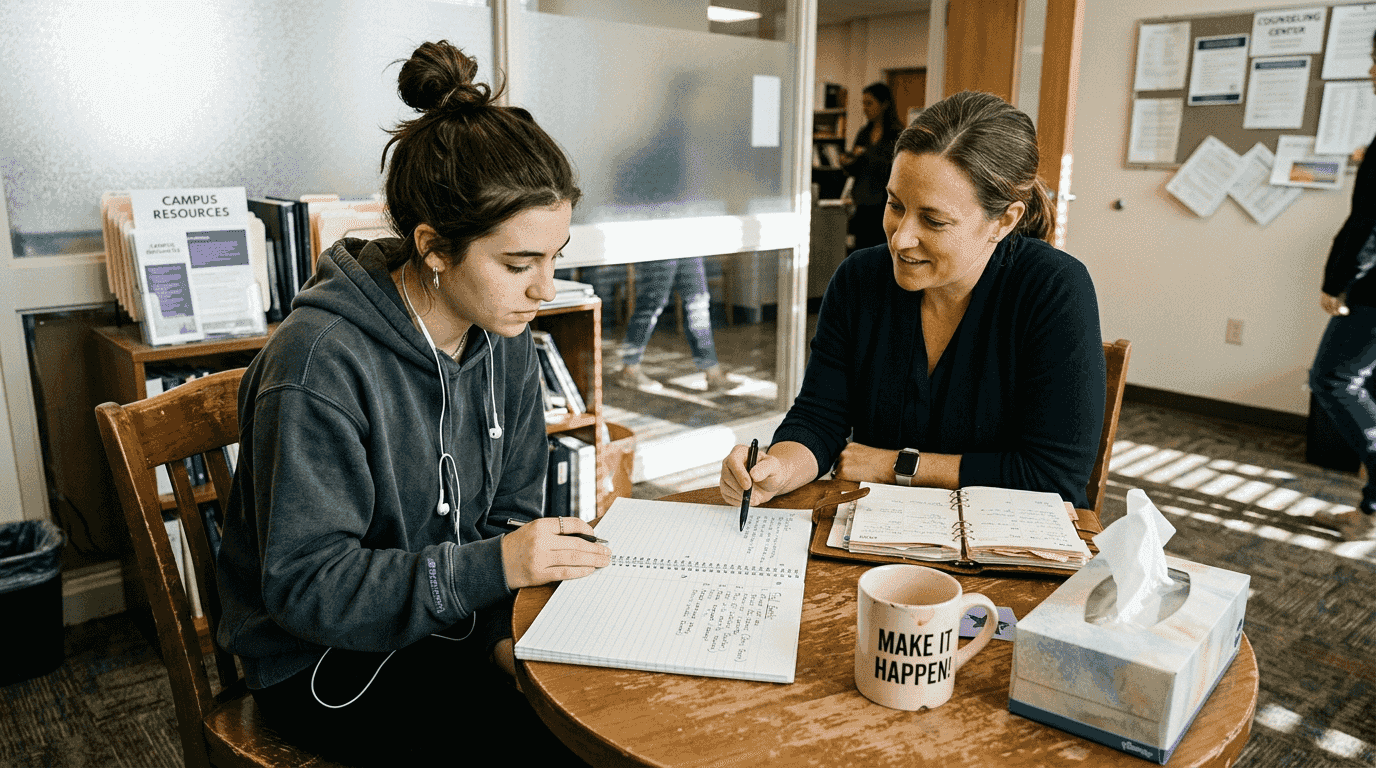
Many students believe mental health coaching is just another form of therapy, but recent research shows coaching interventions reduced anxiety by 12% through completely different methods focused on accountability and skill building. This guide explains what student mental health coaching actually is, how it differs from therapy, and why technology enhanced coaching is transforming student wellness in 2026.
Table of Contents
- What Is Student Mental Health Coaching: Understanding The Fundamentals
- How Student Mental Health Coaching Benefits Students: Evidence-Based Insights
- Methods And Tools Used In Student Mental Health Coaching
- Student Mental Health Coaching Versus Therapy: Key Differences And When To Choose
- Applying Student Mental Health Coaching: Practical Tips For Busy Students
- Explore AI-Powered Coaching With Coach Call
Key takeaways
| Point | Details |
|---|---|
| Student mental health coaching | Helps students develop skills for academic and personal success through collaborative, personalized goal setting |
| Technology advantage | AI-driven coaching platforms provide accessible support tailored to busy student schedules |
| Coaching versus therapy | Coaches support habits and motivation; therapists address clinical mental health disorders |
| Evidence-based results | Digital coaching significantly improves mental health outcomes and academic engagement |
What is student mental health coaching: understanding the fundamentals
Student mental health coaching represents a specialized approach addressing students' mental well-being alongside academic and personal growth. Unlike traditional therapy, coaching helps students develop skills to excel academically, socially, and personally through a collaborative partnership model.
The coaching process centers on helping students set actionable goals, build healthy habits, and cultivate self-awareness. You work with a coach who guides you through identifying obstacles, creating strategies, and maintaining momentum toward your objectives. This differs fundamentally from therapy's focus on diagnosing and treating mental health conditions.
Coaches emphasize motivation, accountability, and practical techniques borrowed from cognitive-behavioral and mindfulness frameworks. They do not diagnose or treat mental health disorders. Instead, they support you in managing everyday stress, improving routines, and developing resilience.
Key components of personalized coaching for success include:
- Regular check-ins to monitor progress and adjust strategies
- Goal-setting frameworks tailored to your unique circumstances
- Skill development in time management, stress reduction, and self-regulation
- Accountability structures that keep you on track
- Evidence-based techniques like mindfulness and cognitive reframing
The approach adapts to individual student needs, whether you're struggling with procrastination, academic stress, relationship challenges, or personal development goals. Mental health coaches focus on goal-setting, motivation, and accountability rather than clinical symptoms.
Pro Tip: Schedule a discovery session with potential coaches to ensure their style matches your learning preferences and communication needs.
How student mental health coaching benefits students: evidence-based insights
Recent research demonstrates compelling benefits from coaching interventions. Studies from 2025 and 2026 reveal that technology-enabled coaching improved distress tolerance by 4.1%, reduced perceived stress by 8.4%, increased self-compassion by 5.9%, and boosted mindfulness by 2.6%. Even more impressive, depression symptoms decreased 22.5% and anxiety dropped 12%.
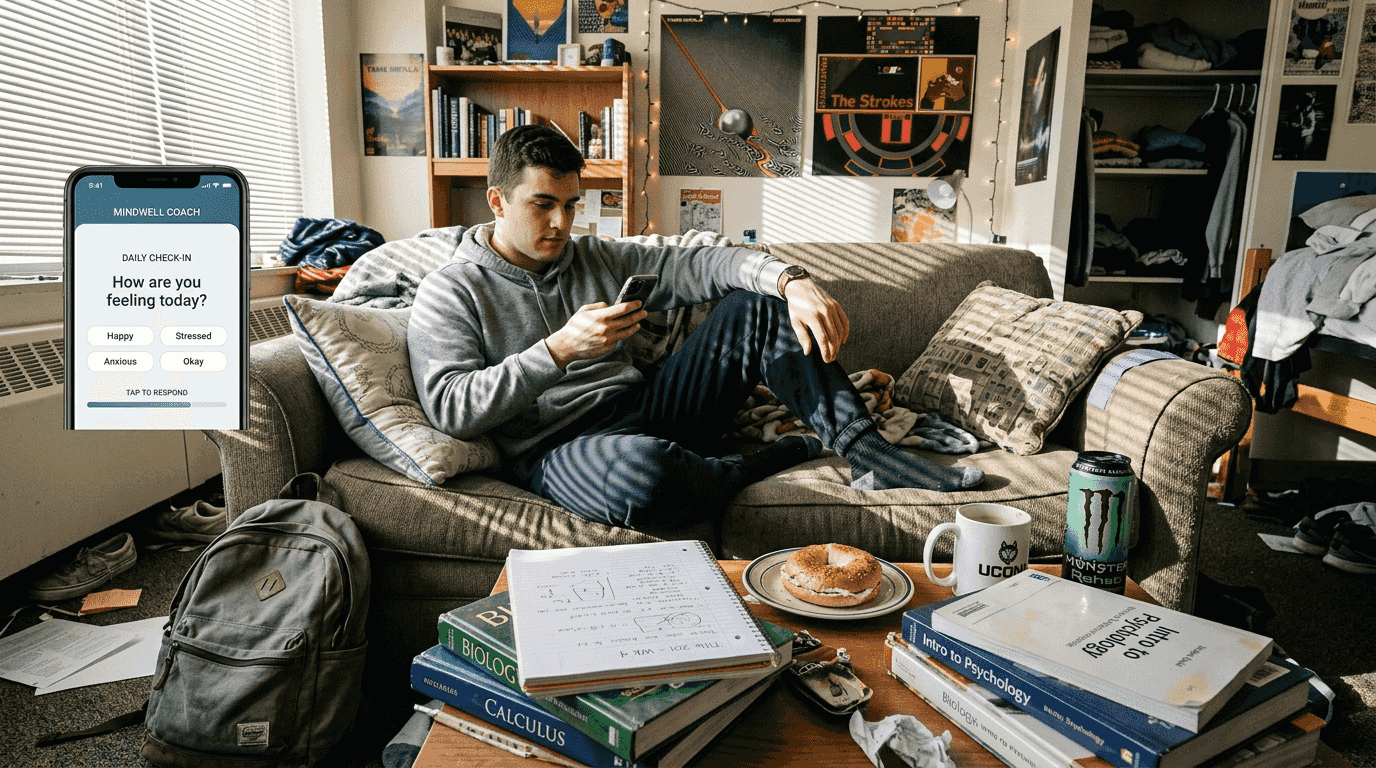
These improvements extend beyond mental health symptoms. Brief university counseling interventions significantly reduced anxiety, depression, and psychological distress while also improving academic engagement in peer and professor relationships. When students feel better mentally, they engage more effectively in their education.
Mental Health Improvements from Technology-Enabled Coaching:
- Depression symptoms: 22.5% reduction
- Anxiety levels: 12% decrease
- Perceived stress: 8.4% reduction
- Distress tolerance: 4.1% increase
- Self-compassion: 5.9% improvement
- Mindfulness: 2.6% enhancement
Elevated risk students show particularly strong gains. If you're experiencing significant challenges, coaching may offer substantial support. The data suggests that students with more severe initial symptoms benefit most from structured interventions.
Technology platforms make coaching more accessible for busy schedules. Digital coaching eliminates commute time and scheduling conflicts, letting you get support when and where it fits your life. Virtual coaching drives measurable learning gains by maintaining consistent touchpoints throughout your semester.
Research indicates longer duration programs produce superior outcomes. Brief interventions help, but sustained coaching relationships generate deeper, more lasting change in mental health and academic performance.
Methods and tools used in student mental health coaching
Modern coaching methodologies combine evidence-based psychological techniques with technology integration. Coaches employ cognitive-behavioral approaches that help you identify and reframe negative thought patterns contributing to stress and anxiety.
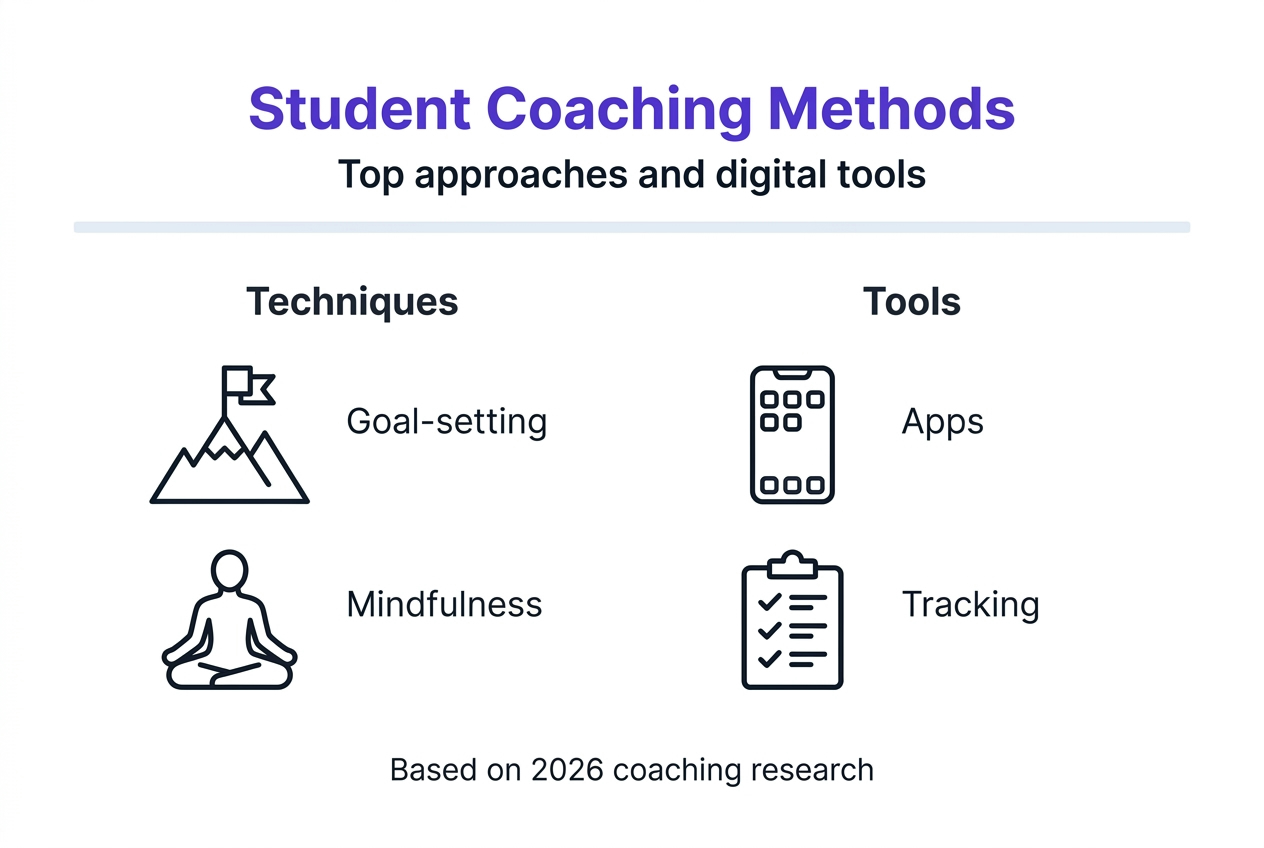
Mindfulness practices form another core component. These techniques increase self-compassion, emotional regulation, and present-moment awareness. You learn to observe thoughts without judgment, reducing rumination and worry that interfere with academic performance.
Goal-setting frameworks break overwhelming objectives into achievable, measurable steps. Instead of vague aspirations like "do better in school," you develop specific targets with clear timelines and success metrics.
| Coaching Method | Primary Benefit | Time to Results |
|---|---|---|
| Cognitive-behavioral techniques | Reduced negative thinking | 2-4 weeks |
| Mindfulness practices | Improved emotional regulation | 4-6 weeks |
| Goal-setting frameworks | Enhanced motivation and clarity | 1-2 weeks |
| AI-driven personalization | Predictive support and risk detection | Ongoing |
| Progress tracking systems | Increased accountability | Immediate |
Artificial intelligence revolutionizes coaching delivery. An AI-driven framework integrating predictive modeling and personalized interventions improved academic results, especially for moderate-risk students. These systems analyze your patterns, predict when you might struggle, and proactively offer support.
Digital platforms enable consistent touchpoints throughout your week. Between formal sessions, you receive check-ins, reminders, and motivational messages aligned with your goals. This sustained contact maintains momentum better than weekly meetings alone.
Some coaches integrate biometric tracking, journaling apps, and habit monitoring tools. These data points help identify patterns you might miss and provide objective measures of progress. AI self-improvement strategies leverage this information to refine your action plans continuously.
Pro Tip: Ask your coach which tools they use and how data privacy is protected before sharing personal information through digital platforms.
The most effective coaching combines human empathy with technological efficiency. AI personal development accountability systems handle routine check-ins and tracking while human coaches provide nuanced guidance for complex situations.
Student mental health coaching versus therapy: key differences and when to choose
Understanding the distinction between coaching and therapy helps you choose appropriate support. Mental health coaches focus on motivation and accountability while therapists treat clinical symptoms like anxiety, depression, and trauma.
Coaches typically lack clinical training in diagnosing or treating mental illness. They work with generally healthy individuals seeking to improve performance, build habits, or achieve specific goals. Therapists possess clinical licenses and specialized education for addressing psychological disorders.
| Aspect | Mental Health Coaching | Therapy |
|---|---|---|
| Focus | Goal achievement, motivation, habits | Clinical symptoms, emotional healing |
| Training | Coaching certification, wellness education | Clinical degree, state licensure |
| Scope | Students functioning well seeking improvement | Individuals with diagnosed mental health conditions |
| Methods | Accountability, goal-setting, skill-building | Clinical interventions, diagnosis, treatment plans |
| Duration | Variable, often shorter term | Often longer term, ongoing |
Choose coaching when you want accountability for wellness goals, strategies to manage everyday stress, or support developing healthy routines. It works well for personalized coaching support in time management, productivity, and general well-being.
Seek therapy if you experience persistent sadness, overwhelming anxiety, trauma symptoms, or thoughts of self-harm. Therapists can diagnose conditions and provide evidence-based treatments like cognitive-behavioral therapy specifically designed for clinical presentations.
Many students benefit from both simultaneously. A therapist addresses underlying mental health conditions while a coach helps implement daily strategies and maintain accountability for wellness goals. This complementary approach maximizes support.
Pro Tip: If unsure which you need, start with a mental health screening through your campus counseling center. They can recommend appropriate resources based on your specific situation.
Some coaches work collaboratively with therapists when clients receive both services. This coordination ensures consistent messaging and prevents conflicting advice. Always inform both professionals if you're working with multiple providers.
Applying student mental health coaching: practical tips for busy students
Maximizing coaching benefits requires strategic implementation. Schedule regular sessions aligned with your academic calendar, placing more frequent check-ins during high stress periods like midterms and finals.
- Set specific, measurable goals at the start of each semester with clear deadlines and success metrics
- Use AI-driven accountability tools for daily reminders and motivation between formal coaching sessions
- Block calendar time for coaching calls and treat them as non-negotiable academic commitments
- Review progress weekly through journaling or digital tracking apps your coach recommends
- Integrate mindfulness practices into existing routines like morning coffee or evening wind-down
- Request hybrid coaching combining technology check-ins with periodic human interaction for flexibility
AI voice coaching boosts goal adherence by 30% for busy professionals, and the same principles apply to student life. Brief daily check-ins maintain momentum better than infrequent long sessions.
Choose coaches offering flexible communication channels. WhatsApp, text, and voice call options let you get support in ways that fit your lifestyle. Some students prefer written messages for reflection; others benefit from voice conversations.
Pro Tip: During onboarding, share your class schedule, work commitments, and peak stress times so your coach can tailor support to your actual availability and needs.
Hybrid coaching models boost goal adherence by combining automated reminders with personalized human guidance. This approach provides consistency without requiring constant availability from either party.
Be honest about what's working and what isn't. Coaching effectiveness depends on open communication. If a strategy feels unhelpful or a goal seems unrealistic, discuss adjustments immediately rather than struggling silently.
Track small wins alongside major milestones. Celebrating progress, even minor improvements, maintains motivation through challenging periods. Your coach can help identify these victories you might otherwise overlook.
Explore AI-powered coaching with Coach Call
If you're seeking coaching that adapts to your hectic student schedule, Coach Call AI offers an innovative solution. The platform provides phone and WhatsApp based coaching designed specifically for busy individuals juggling multiple commitments.
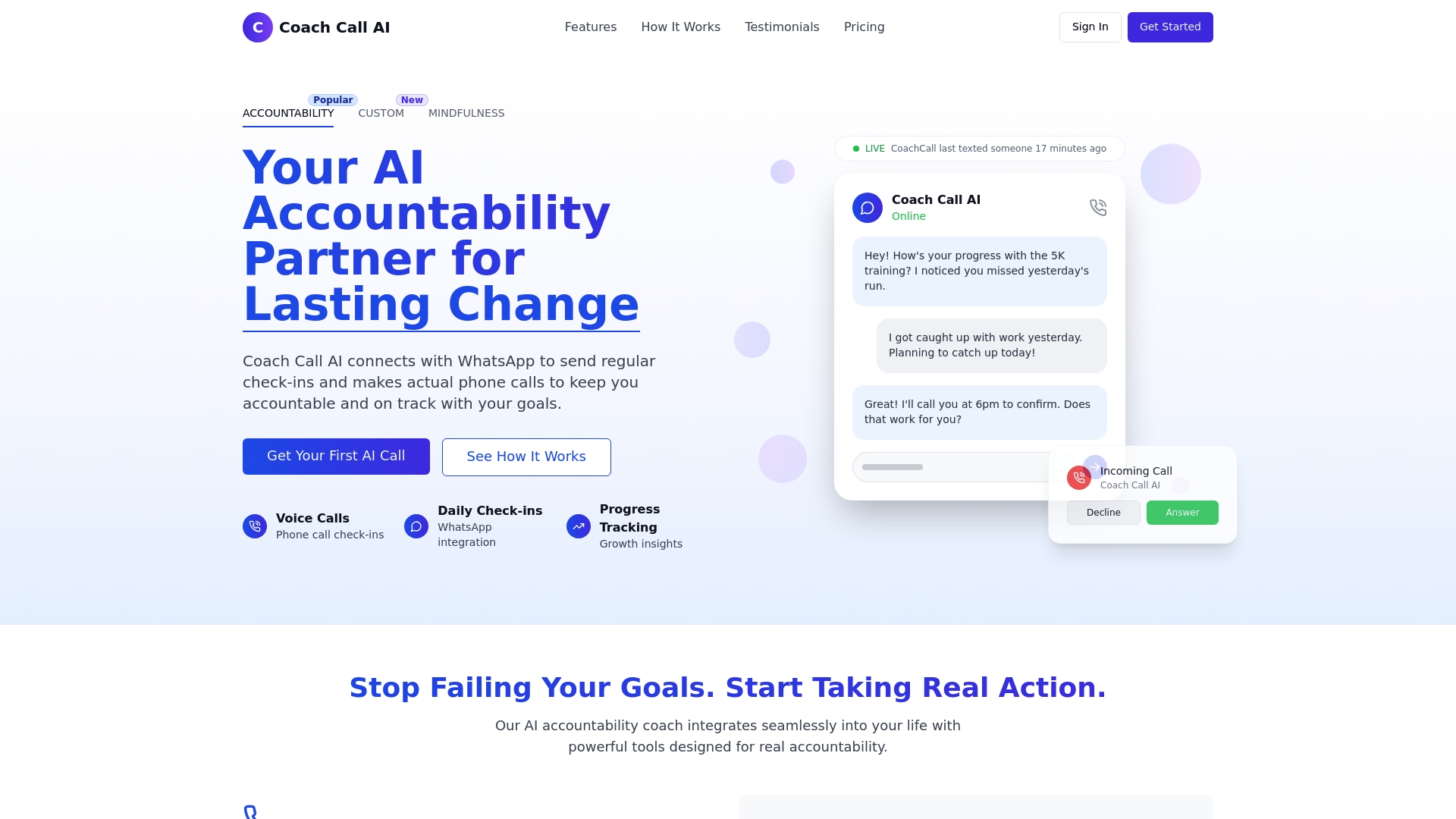
Coach Call AI functions as your accountability partner, delivering personalized reminders, motivational messages, and scheduled voice calls when you need them most. The AI adapts to your patterns, learning when you're most receptive to support and adjusting its approach accordingly.
For students balancing classes, work, relationships, and personal wellness, this technology enhanced approach eliminates scheduling friction. You receive consistent support without coordinating calendars or commuting to appointments. The platform tracks your progress, celebrates milestones, and helps you maintain momentum toward academic and personal goals throughout 2026.
FAQ
What is the difference between mental health coaching and therapy?
Coaching focuses on motivation, habits, and goal-setting for generally healthy individuals seeking improvement. Therapy treats clinical mental health conditions through professional diagnosis and evidence-based treatment plans. Therapists have clinical training and licensure; coaches typically hold certifications in wellness or life coaching.
Can student mental health coaching help with anxiety and depression?
Coaching improves stress management and motivation but is not a substitute for therapy in clinical anxiety or depression. It can help you develop coping strategies and healthy routines that support mental wellness. Students with diagnosed conditions should work with licensed therapists for primary treatment.
What kinds of techniques do student mental health coaches use?
Coaches employ cognitive-behavioral techniques to reframe negative thoughts, mindfulness practices for emotional regulation, and structured goal-setting frameworks. Many integrate technology tools including AI-driven apps for progress tracking and accountability. The specific methods vary based on your needs and the coach's training background.
How can technology enhance student mental health coaching?
AI-driven coaching frameworks improve academic results and mental health by tailoring interventions to student risk levels. Technology enables personalized, accessible coaching that adapts support to your schedule and needs. Digital platforms provide consistent touchpoints through messaging and voice calls without requiring physical meetings.
What are the best ways to use student mental health coaching effectively?
Schedule regular sessions during your semester, set clear and measurable goals, and blend technology tools with human coaching for maximum impact. Review progress weekly, integrate recommended practices into daily routines, and communicate openly about what strategies work for your situation. Consistency and honest feedback produce the best results.