
Many people confuse mental well-being coaching with therapy, but they serve different purposes in supporting your mental health journey. Mental well-being coaching focuses on building practical skills for stress management, goal achievement, and emotional regulation without clinical diagnosis or treatment. It offers structured accountability tailored for busy professionals and students navigating everyday challenges. This guide explains what mental well-being coaching truly involves, how it works through proven methods, who benefits most, and why it complements but doesn't replace therapy when you need deeper support.
Table of Contents
- What Is Mental Well-Being Coaching?
- How Mental Well-Being Coaching Works: Methods And Sessions
- Distinctions From Therapy And Ideal Candidates For Coaching
- Evidence And Outcomes: How Effective Is Mental Well-Being Coaching?
- Boost Your Mental Well-Being With Coach Call AI
- Frequently Asked Questions
Key takeaways
| Point | Details |
|---|---|
| Skill-building focus | Mental well-being coaching develops stress management and emotional regulation skills without clinical treatment. |
| Structured methods | Sessions use frameworks like GROW model and motivational interviewing for goal-oriented progress. |
| Distinct from therapy | Coaching is future-focused and non-diagnostic, complementing therapy for non-clinical mental health needs. |
| Ideal candidates | Best suits busy professionals and students managing mild to moderate stress and life transitions. |
| Proven effectiveness | Research shows measurable improvements in anxiety and depression after just 2-3 coaching sessions. |
What is mental well-being coaching?
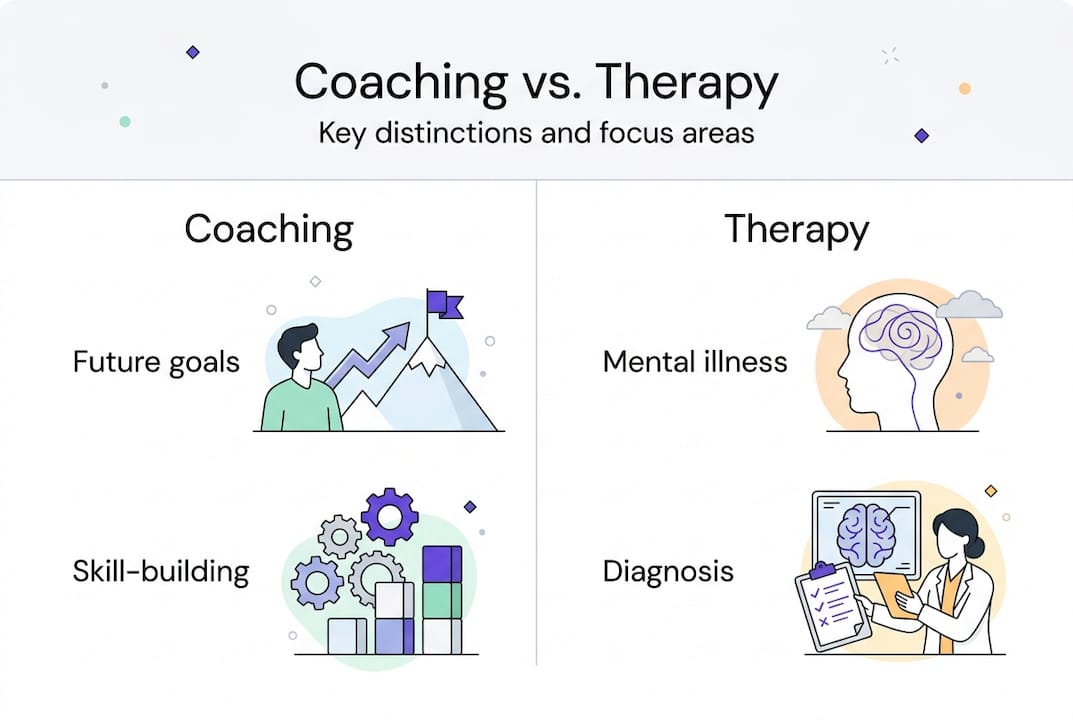
Mental well-being coaching is a goal-oriented, future-focused practice helping individuals build skills for stress management, resilience, and emotional regulation without diagnosing or treating clinical disorders. Unlike therapy, which addresses past trauma and mental illness through clinical frameworks, coaching concentrates on present challenges and future aspirations. You work with a coach to develop actionable strategies for navigating work pressure, academic demands, relationship dynamics, and personal growth.
This approach targets busy professionals juggling competing priorities and students facing academic stress and life transitions. If you experience mild to moderate stress, feel overwhelmed by daily responsibilities, or notice early signs of burnout, coaching provides structured support before issues escalate. The process emphasizes prevention and skill development rather than crisis intervention.
Coaching helps you build sustainable habits through accountability frameworks. Your coach doesn't prescribe treatment or medication. Instead, they guide you through exercises that strengthen emotional awareness, decision-making, and coping mechanisms. This partnership creates space for reflection and planning that your hectic schedule might not otherwise allow.
Mental well-being coaching bridges the gap between self-help resources and clinical therapy, offering personalized guidance for everyday mental health challenges.
A common misconception equates coaching with therapy sessions. Coaches cannot diagnose conditions like depression or anxiety disorders. When clients present symptoms requiring clinical intervention, ethical coaches refer them to licensed therapists or psychiatrists. This boundary protects your wellbeing and ensures you receive appropriate care level for your needs.
The student mental health coaching model demonstrates coaching's preventive value. Students learn stress management techniques before finals week overwhelms them. Professionals develop boundaries before burnout forces medical leave. This proactive stance distinguishes coaching from reactive clinical treatment.
Key coaching objectives include:
- Building self-awareness about stress triggers and emotional patterns
- Developing practical coping strategies for daily challenges
- Setting and achieving meaningful personal and professional goals
- Strengthening resilience to navigate setbacks and uncertainty
- Creating accountability systems that sustain positive changes
Coaching works best when you're motivated to make changes but need structure and support. You bring willingness to engage; your coach provides frameworks, questions, and accountability that transform intention into action.
How mental well-being coaching works: methods and sessions
Mental well-being coaching sessions typically run 45 to 60 minutes weekly, creating consistent touchpoints for progress and reflection. This regular cadence builds momentum while allowing time between sessions to practice new skills and gather experiences to discuss. Sessions focus on present circumstances and future possibilities rather than analyzing past events.
Coaches employ structured models like GROW to guide conversations systematically. The GROW framework breaks challenges into four phases:
- Goal - Define what you want to achieve specifically and why it matters
- Reality - Assess your current situation objectively without judgment
- Options - Brainstorm possible strategies and approaches creatively
- Will - Commit to concrete actions with timeline and accountability measures
This structure transforms vague desires like "feel less stressed" into actionable plans with measurable milestones. You leave each session knowing exactly what to practice and how to track progress.

Motivational interviewing techniques enhance your intrinsic motivation by exploring ambivalence and strengthening commitment. Your coach asks open-ended questions that help you articulate your own reasons for change rather than imposing external expectations. This approach respects your autonomy while gently challenging resistance or self-limiting beliefs.
Mindfulness practices and journaling exercises appear frequently in coaching programs. You might practice brief breathing techniques during sessions, then use them during stressful work moments. Journaling prompts encourage reflection on emotional patterns, helping you recognize triggers before they escalate. These tools build emotional regulation capacity you can deploy independently.
| Coaching Method | Primary Purpose | Typical Application |
|---|---|---|
| GROW Model | Problem-solving framework | Weekly goal setting and action planning |
| Motivational Interviewing | Enhance intrinsic motivation | Exploring ambivalence and building commitment |
| Mindfulness Techniques | Emotional regulation | Real-time stress management |
| SMART Goals | Actionable accountability | Tracking personal development milestones |
| Reflective Journaling | Self-awareness building | Identifying patterns and triggers |
SMART goal-setting ensures your objectives are Specific, Measurable, Achievable, Relevant, and Time-bound. Instead of "exercise more," you commit to "walk 20 minutes during lunch break three times weekly for the next month." This precision enables clear progress tracking and celebrates small wins that build confidence.
Pro Tip: Start each coaching session by reviewing your previous commitments and celebrating what you accomplished, even partial progress. This positive reinforcement strengthens habit formation and maintains motivation during challenging periods.
The developmental coaching approach emphasizes growth over time rather than quick fixes. You develop meta-skills like self-reflection and adaptive thinking that serve you across multiple life domains. This investment in foundational capacities creates lasting change beyond immediate goals.
Between sessions, you practice agreed-upon strategies in real-world situations. Your coach might assign experiments like setting work boundaries or trying new communication approaches. These lived experiences generate insights that deepen during your next conversation, creating a cycle of learning and application.
Digital coaching platforms increasingly offer flexibility through video calls, messaging, and app-based check-ins. This accessibility suits busy schedules that make weekly office visits challenging. However, effectiveness still depends on your active engagement and honest communication with your coach.
Distinctions from therapy and ideal candidates for coaching
Mental well-being coaching and therapy serve complementary but distinct roles in supporting mental health. Coaching is future-oriented and non-diagnostic, focusing on goal achievement and skill development. Therapy addresses clinical disorders through evidence-based treatments, often exploring how past experiences shape current struggles. Understanding these boundaries helps you choose the right support for your needs.
Therapists hold clinical licenses requiring extensive training in diagnosing and treating mental illness. They work with conditions like major depression, anxiety disorders, PTSD, and bipolar disorder using modalities like cognitive behavioral therapy or psychodynamic approaches. Coaches typically complete certification programs focused on facilitation skills, goal-setting frameworks, and ethical boundaries rather than clinical training.
| Aspect | Mental Well-Being Coaching | Therapy |
|---|---|---|
| Focus | Future goals and skill-building | Past trauma and clinical disorders |
| Approach | Action-oriented and structured | Exploratory and diagnostic |
| Practitioner Training | Coaching certification programs | Clinical licenses and degrees |
| Typical Duration | Weeks to months | Months to years |
| Best For | Mild to moderate stress | Moderate to severe mental illness |
Coaches must recognize their scope limitations and refer clients showing signs of clinical disorders. If you express suicidal thoughts, describe trauma symptoms, or exhibit behavior suggesting serious mental illness, an ethical coach will connect you with licensed mental health professionals. This referral process protects your safety and ensures appropriate care.
Ideal candidates for coaching include busy professionals and students managing day-to-day stress without severe mental health conditions. You might benefit from coaching if you:
- Experience work-related stress but function effectively in daily life
- Want accountability for personal growth goals like improving relationships or building confidence
- Face life transitions like career changes or becoming a parent
- Notice early burnout signs and want preventive support
- Seek structured guidance beyond self-help books but don't need clinical treatment
Coaching doesn't replace therapy for complex mental health needs. If you're currently in therapy, coaching can complement your treatment by focusing on practical goal implementation. Many people work with both a therapist and coach simultaneously, addressing clinical issues in therapy while building life skills through coaching.
Pro Tip: If you're unsure whether you need coaching or therapy, start with a consultation with a licensed therapist who can assess your needs and recommend the appropriate support level. Many therapists recognize coaching's value and will suggest it when clinical treatment isn't necessary.
Digital coaching formats through apps and video platforms increase accessibility for people in rural areas or with scheduling constraints. However, these tools require your active participation to generate results. Passive engagement yields minimal benefit regardless of coaching quality.
The privacy considerations in coaching differ from therapy's strict confidentiality rules. While coaches maintain discretion, they aren't bound by HIPAA regulations governing healthcare providers. Discuss privacy expectations with potential coaches before beginning your work together.
Coaching works best when you're ready for change and willing to experiment with new approaches. If you're deeply ambivalent or facing severe distress, therapy provides the clinical support necessary for stabilization before coaching can effectively support your growth.
Evidence and outcomes: how effective is mental well-being coaching?
Research demonstrates mental well-being coaching's effectiveness for reducing anxiety and depression while building resilience skills. Studies show 12-22% reductions in anxiety and depression among coaching participants compared to control groups. These improvements appear quickly, with 72% of moderate-risk individuals showing progress after just 2-3 sessions.
Randomized controlled trials confirm coaching's benefits versus no intervention controls, though study quality varies across the research base. A systematic review found consistent evidence supporting coaching for mild to moderate mental health concerns. The effect sizes, while modest compared to clinical therapy for severe disorders, demonstrate meaningful real-world impact for prevention and early intervention.
| Outcome Measure | Improvement Rate | Timeline |
|---|---|---|
| Anxiety Reduction | 12-22% decrease | 2-3 sessions |
| Depression Symptoms | 12-22% decrease | 2-3 sessions |
| Moderate-Risk Improvement | 72% show progress | 2-3 sessions |
| Stress Management Skills | Significant gains | 4-8 weeks |
| Resilience Building | Measurable increase | 8-12 weeks |
Coaching's effectiveness depends on matching intervention intensity to client needs. It works best for people experiencing mild to moderate stress rather than severe mental illness. RCTs confirm coaching's benefits when properly targeted, but outcomes diminish when applied to populations requiring clinical treatment.
Limitations in the evidence base include heterogeneous study designs and varying coach training levels. Some research combines highly trained professionals with paraprofessional coaches, making it difficult to isolate training's impact on outcomes. Additionally, most studies focus on short-term results, with less data on long-term maintenance of coaching gains.
The emerging evidence positions mental well-being coaching as a valuable component of stepped-care mental health systems, offering accessible support that prevents escalation to clinical needs.
Engagement challenges affect coaching outcomes significantly. Clients who complete assigned practices and actively participate in sessions show substantially better results than those attending passively. This highlights coaching's collaborative nature, where your effort directly influences success.
Digital and paraprofessional coaching models show promise for scalability without sacrificing effectiveness when proper training and supervision occur. This matters for addressing mental health access gaps, particularly in underserved communities. Virtual coaching demonstrates effectiveness comparable to in-person sessions when technology barriers don't interfere.
The research supports coaching as part of comprehensive mental health strategies rather than standalone treatment. When integrated with workplace wellness programs or student support services, coaching amplifies other interventions' impact. This synergy creates environments where mental well-being becomes normalized and supported systematically.
Critics note that coaching's unregulated status allows variability in practitioner quality. Unlike therapy's standardized licensing, coaching certifications vary widely in rigor and requirements. This makes coach selection crucial for ensuring you receive evidence-based support from qualified practitioners.
Ongoing research explores optimal coaching dosage, session frequency, and method combinations for different populations. Early findings suggest personalized approaches matching coaching intensity to individual needs and preferences produce better engagement and outcomes than one-size-fits-all programs.
Boost your mental well-being with Coach Call AI
After understanding how mental well-being coaching builds resilience and manages stress through structured support, you might wonder how to access consistent accountability without scheduling hassles. Coach Call AI delivers AI-powered coaching through phone calls and WhatsApp, providing personalized check-ins and motivational support whenever you need it. The platform integrates proven coaching techniques like goal-setting and progress tracking into an accessible format designed for busy professionals and students.
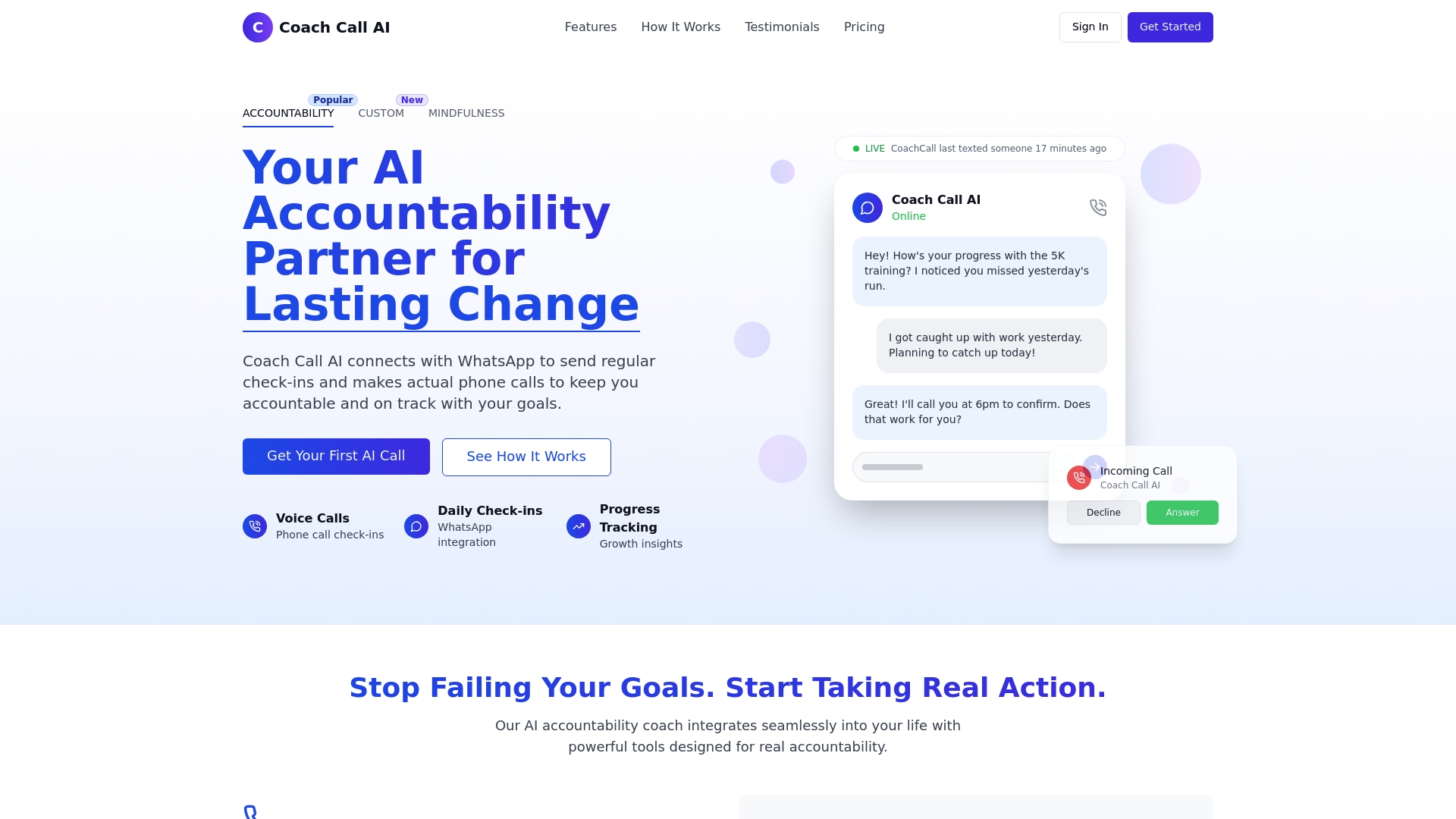
Coach Call AI offers the accountability and structure that make coaching effective without requiring weekly appointment coordination. You receive regular touchpoints that keep you on track with stress management practices and personal development goals. The AI adapts to your progress and preferences, celebrating milestones and gently nudging you when you drift off course, creating the consistent support that transforms intentions into lasting habits.
Frequently asked questions
What is the difference between mental well-being coaching and therapy?
Mental well-being coaching focuses on future goals, skill-building, and accountability for non-clinical challenges like work stress or life transitions. Therapy addresses mental illness through clinical diagnosis and evidence-based treatments for conditions like depression, anxiety disorders, or trauma. Coaches refer clients to therapists when symptoms suggest clinical needs beyond coaching's scope. Many people benefit from both simultaneously, using therapy for clinical issues and coaching for practical goal implementation. Understanding privacy in coaching versus therapy's confidentiality rules helps you choose appropriate support.
Can mental well-being coaching help with burnout and stress?
Yes, coaching effectively builds stress management skills and provides structured accountability that prevents burnout escalation. It offers practical tools like mindfulness techniques, boundary-setting strategies, and time management frameworks without clinical treatment. Coaching suits mild to moderate stress levels common among busy professionals and students. For severe burnout with physical symptoms or clinical depression, therapy provides necessary clinical intervention while coaching can complement recovery by supporting sustainable habit changes.
How many coaching sessions are typically needed to see results?
Most people notice measurable improvements after 2-3 coaching sessions, with 72% of moderate-risk individuals showing progress at this early stage. Initial sessions establish rapport, clarify goals, and introduce foundational practices you begin implementing immediately. Continued sessions over 8-12 weeks build sustained habits and deepen resilience skills. The exact timeline depends on your goals' complexity and engagement level between sessions. Many clients continue coaching periodically for ongoing accountability even after achieving initial objectives.
Is mental well-being coaching suitable for everyone?
Coaching suits busy professionals and students managing mild to moderate stress, life transitions, or personal growth goals without severe mental illness. It works best when you're motivated to make changes and willing to practice new skills between sessions. Coaching isn't recommended for severe depression, anxiety disorders, trauma, or crisis situations requiring clinical intervention. Ethical coaches screen for clinical needs during initial consultations and refer to licensed therapists when appropriate. If you're unsure about your needs, consult a mental health professional for assessment before choosing coaching or therapy.